LINDA AZAB: FROM CAIRO TO THE GLOBAL STAGE


(No part of this article may be copied or reproduced in any form without the permission of HT)
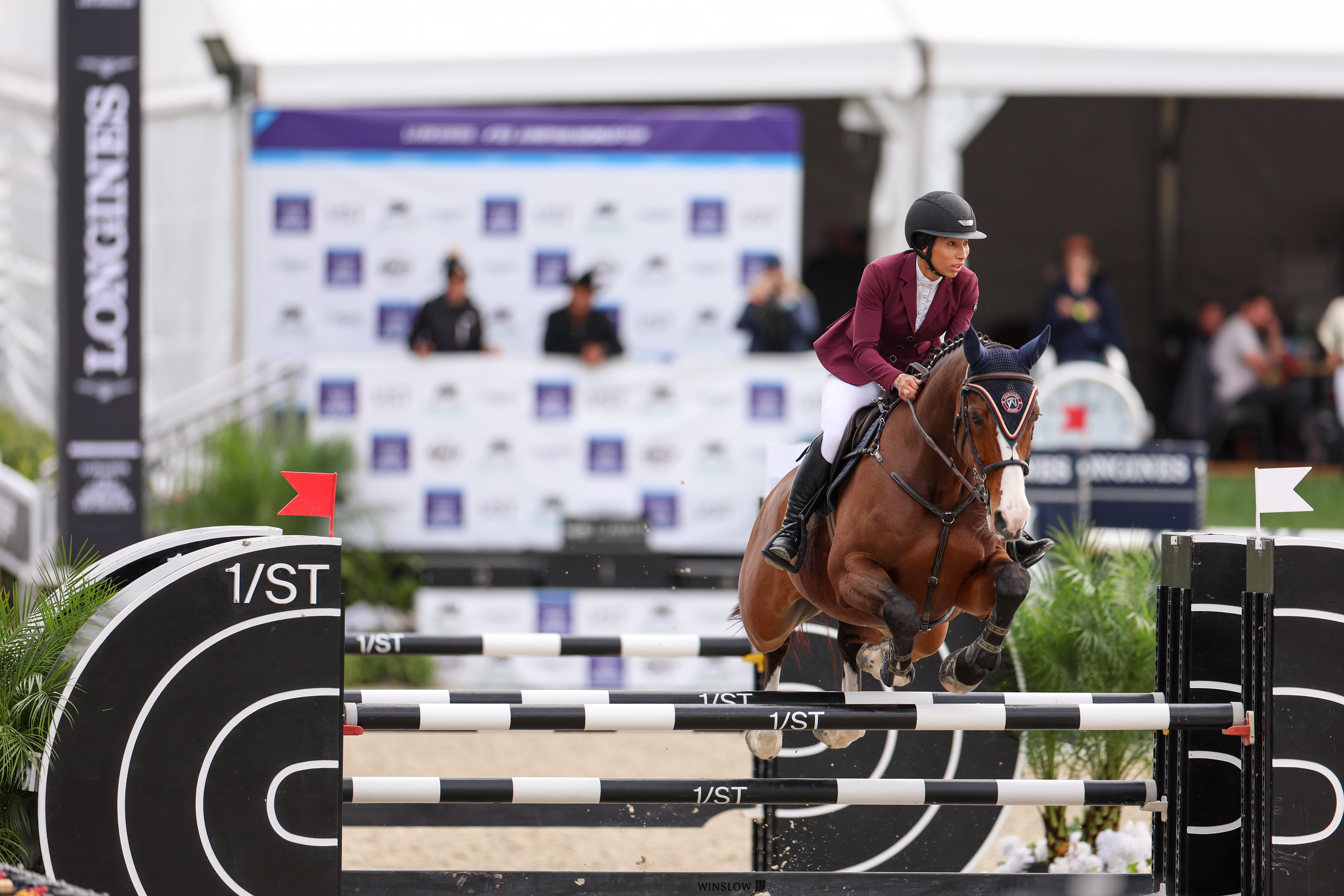
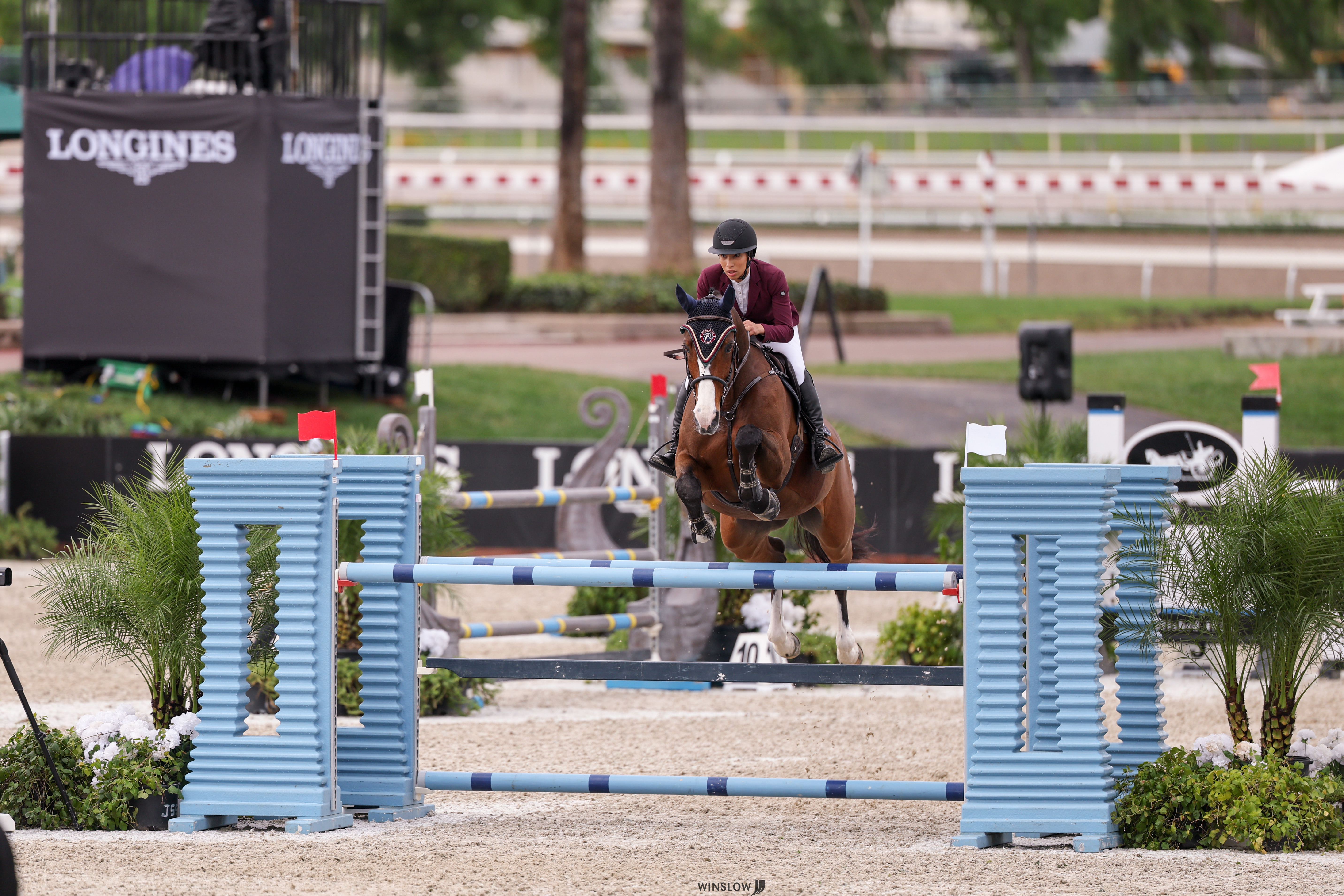
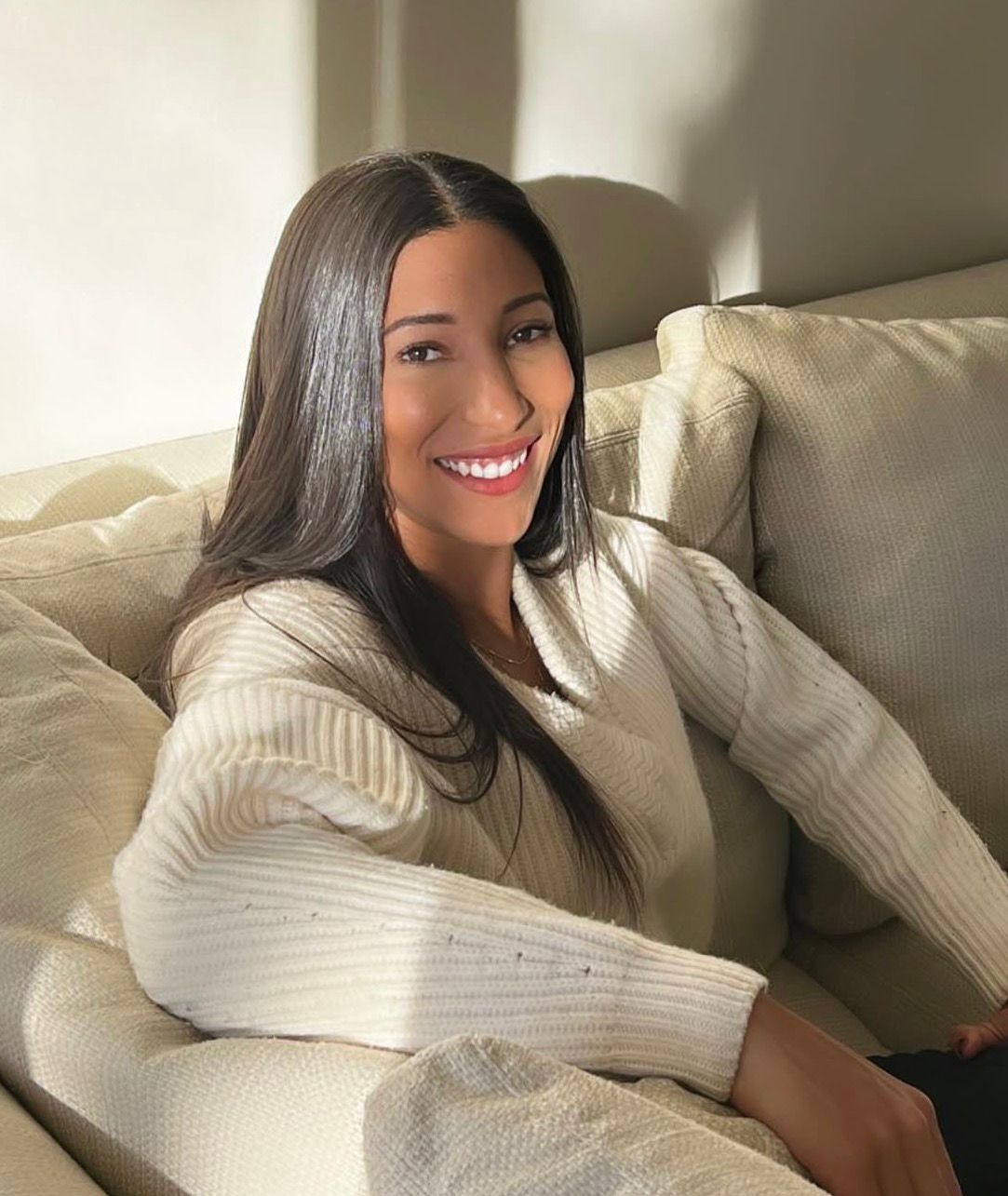
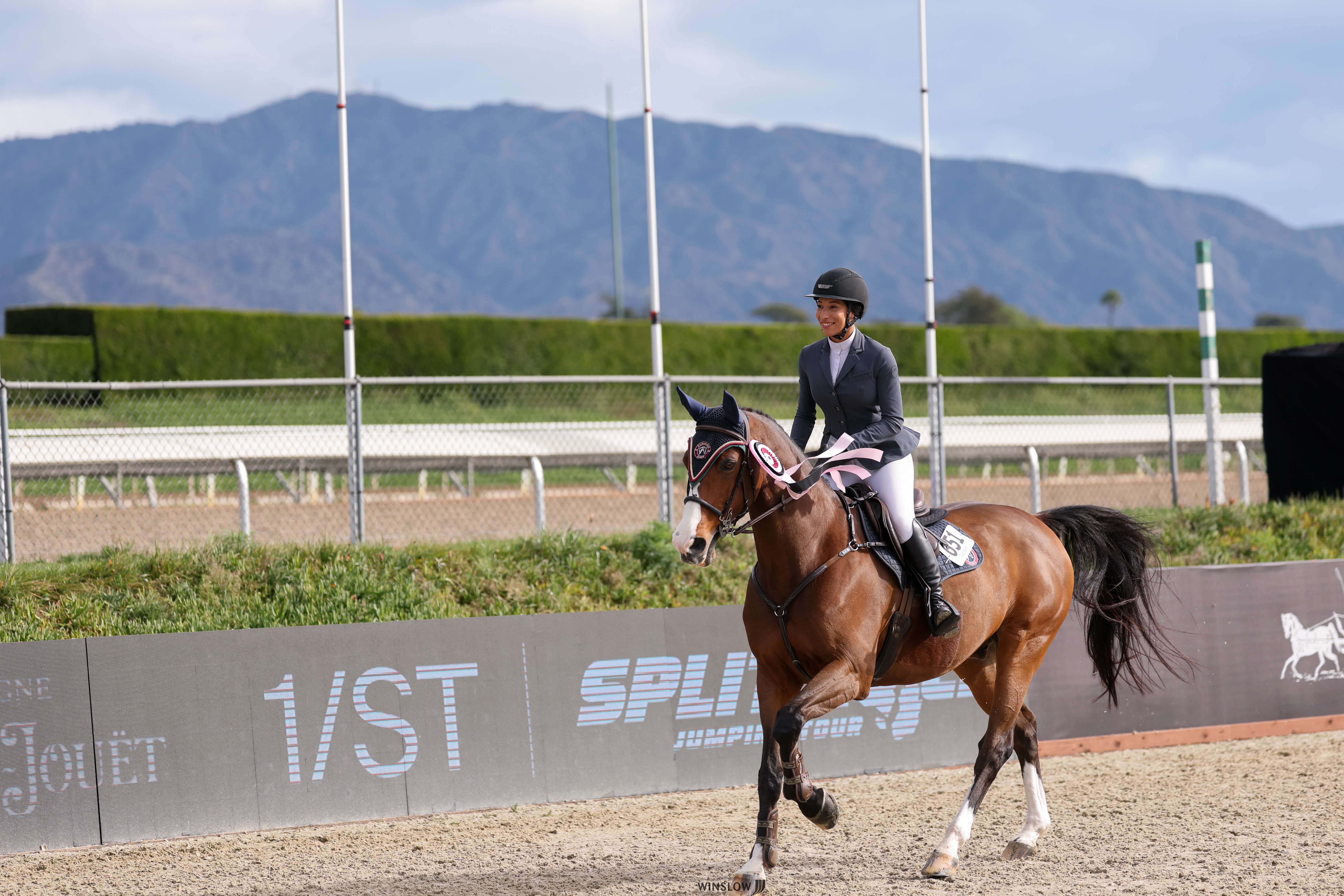
I FIRST MET LINDA IN THE EARLY 2000S IN SAUDI ARABIA, WHEN SHE BEGAN TAKING RIDING LESSONS UNDER MY TUTELAGE. FAST-FORWARD TWENTY YEARS TO THE HEIGHT OF THE PANDEMIC, AND I RECEIVED A CALL FROM HER MOTHER, ASKING IF I MIGHT HELP LINDA FIND A COACH AND SUITABLE STABLES IN THE UNITED STATES. I DIRECTED HER TO A CLOSE FRIEND WHO RUNS A PREMIERE SHOWJUMPING FACILITY IN CALIFORNIA. I RECENTLY SAT DOWN WITH LINDA TO DELVE INTO HER REMARKABLE JOURNEY: A CLIMB UP THE COMPETITIVE LADDER THAT SAW HER TRANSFORM FROM A COMPLETE NOVICE INTO AN ACCOMPLISHED INTERNATIONAL SHOWJUMPER.
1. Linda, you started riding at an early age. How did your first contact with horses happen?
I started riding in Egypt at when I was six years old. My first contact with horses happened at the Gezira Sporting Club in Zamalek, where my mother, sister, and I would go for various sports practices. On our way out, I would always pass by the stables and watch people taking riding lessons. I fell in love immediately and knew horses would always be part of my life. When we moved to Saudi Arabia, I continued riding at the Saudi Aramco Dhahran Arabian Horse Association (DAHA) known also as Hobby Farm from between ages nine and eleven. After that, we moved back to Egypt where I resumed riding until I left for university in the United States.
2. What are your earliest memories of the riding school and the horses in Saudi Arabia?
When we first entered the Saudi Aramco community in Dhahran, my very first priority was finding the stables. I had asked my father, who had arrived before the rest of us, to locate the nearest one, and thankfully it was close enough that my sister and I could bike there. At the time I didn't have my own horse, so I would spend entire days just watching lessons, waiting for any chance to get in the saddle. I was only nine years old, and I remember sitting on the bleachers posting the trot in the air while I watched. My first opportunity came with a mare named Annie who had some behavioural issues and would only want to go backwards. Over time, she began to trust me and we started working together normally; it was a meaningful early lesson in patience.
I started competing at ten, with my first event being the cross-country team challenge at the Hobby Farm. Honestly, the competition wasn't what drove me then; it was simply the joy of being around horses. As I was exposed to higher-level competitions, though, I became increasingly drawn to the competitive side of the sport. When we returned to Egypt and I was competing more frequently, the desire to become the best rider I could be really took hold, and it has never left me.
3. What early experiences first sparked your ambition to pursue the sport at a high level
You have been training me throughout my entire time in Saudi Arabia and you taught me the true foundation of the sport, both in and out of the saddle, grounded in genuine horsemanship principles. That foundation has stayed with me throughout my entire career.
Several times we went looking for horses outside of Aramco premises. The quality of horses I tried and the level of competition I observed truly awakened something in me. It was the first time I really understood what was possible in this sport, and it planted the seed of a dream I've been chasing ever since.
4. Do you remember your first competition and what motivated you to pursue showjumping more seriously?
I remember it clearly, I was excited, I didn't know exactly what to expect, and I was genuinely just having fun. There was no pressure, just pure joy. I think that spirit of enjoying the moment is something I try to carry with me to this day.
I joined a team at the Forosiya Club in Cairo, and my first competition there went really well. It gave me a lot of confidence that the skills I'd built in Saudi Arabia had translated, and from there I just kept building. The competition scene in Egypt felt more formal and more competitive. It pushed me to raise my standards and take the sport more seriously. Moving from competing on lesson horses, which were all Arabians, to riding my own horse and some of my trainer's warmbloods was a significant milestone. That step up in quality opened my eyes to what the sport could truly look and feel like. I was fortunate to learn from a number of exceptional trainers in Egypt: Rami Iskander, Merit Fanous, Khaled Assem, Sherif El Demerdash, and Georges Valladier. Each one helped advance me to the next level in a different way, and I'm grateful to all of them.
The biggest challenge as a young rider in Egypt was balance. I was also a competitive swimmer at the time, so managing my riding, swimming, and academics simultaneously was genuinely difficult. But thanks to my parents, who believed in and supported all of my dreams, I was able to pursue all three to the best of my ability.
Then my journey took a significant detour. I took a nine-year break from riding when I was 17 after a lung injury. When I moved to the United States for university, the equestrian team's facility was over an hour from campus, making it impossible to ride during my studies. The moment I graduated and settled in Los Angeles; I came straight back. The dream had never really left me. My ambition to be a competitive rider and to keep improving is something I think about every single day.
5. Any memorable horses played a role in your development as a young rider?
That's always a difficult question for me, because I genuinely believe every horse I've had the privilege of riding has shaped me in some way. Each one has taught me something different and those lessons have never been forgotten. I could honestly trace my development through every horse I've ever ridden.
The greatest overall lesson was learning to give each horse the chance to be themselves, and to adapt myself accordingly. There is no one-size-fits-all approach to riding. You have to listen to the horse and understand how he wants to be ridden. Horses taught me early on emotional control. Frustration and tension are the greatest barriers to connection with a horse, learning to manage them (even when the communication isn't working) is one of the most important skills a rider can develop.
My current horse, Eavantus C, who I own in partnership with Andrea Bucko. He is a once-in-a-lifetime horse who has taken my riding to an entirely new level. Having the privilege of competing on a horse like him is something I don't take for granted for a single day.
6. What led your decision to move to the USA to continue your equestrian journey?
Following my graduation from university, I was offered a position at Cedars-Sinai Hospital in Los Angeles. I feel incredibly fortunate that life led me here. The USA equestrian system, through USEF, offers a truly exceptional pathway for riders to develop and advance all the way to the top of the sport. The competitions, programmes, and resources available are world-class.
The USA does an outstanding job of creating a clear, structured pathway for riders to advance. There are programs and resources at every level to help riders reach their next milestone. One major difference I've noticed is the emphasis on equitation at the foundational level that focus on correct position that creates a much stronger base for high-performance riders later on.
As a rider, the biggest adjustments were adapting to a new training system and stepping up to bigger, more technical courses than I had previously experienced. I had to recalibrate my riding to meet that standard which was both challenging and exciting. Personally, the most significant adjustments have been balancing a full-time career in healthcare with the demands of the sport. Horses are full-time passion, and taking full ownership of that responsibility as a working professional requires real commitment. It also makes every result feel that much more earned.
7. Tell us more about some of the trainers, programmes, or competitions in the USA that helped you grow the most?
My current trainer, David Bustillos at Durango Farms, has made a profound difference in my riding. From refining my position in the saddle to deepening my connection with the horse. Perhaps most importantly, he has helped me believe in myself and attempt things I never thought I was capable of, giving me the confidence that has become the cornerstone of my riding today. The A-circuit competitions, such as Desert International Horse Park and Split Rock Showjumping, have also been transformative in making me a more competitive and well-rounded rider.
Riding in the USA has deepened my appreciation for equitation as a discipline (something we didn't have back home) and reinforced my belief in the importance of creating high-level competition environments to drive rider development.
8. How would you describe your riding style today?
Confident. That one word captures the biggest shift in my riding over the past few years. I trust myself, I trust my horses, and I go in with a plan.
I believe the most important quality for a successful showjumper is patience and perseverance, they go hand in hand. This sport has far more lows than highs. I genuinely believe the difference between riders who make it and those who don't is the willingness to keep going through the difficult moments instead of giving up.
9. Can you let us know how do you prepare mentally before entering the ring, what role does horse welfare play in your daily training and how you build trust and partnership with a new horse?
I visualise the entire course, every line, every jump, exactly how I want to ride it and then I focus on executing that vision as precisely as I can. Having a solid plan and trusting it is the key to success.
Horse welfare is everything. Without it, we have no sport. Our horses simply cannot perform to their potential. It's not something I consider separately from my training; it's the foundation of everything I do.
Patience is the starting point to build trust with horses. I spend time learning their body language, observing how they respond, and investing time on the ground, grooming, turnouts, just being present with them. Trust is built slowly, and I think horses feel when you're genuinely trying to understand them rather than just asking things of them. I spend every available moment at the barn or in the saddle. I rarely even want to take vacations because all I want to do is be with horses.
10. What has been the most difficult moment in your riding career so far?
There have been many, as there are for every rider. One of the hardest periods was a stretch a couple of years ago when I was competing on different horses and consistently not getting the results I had hoped for. I made the decision to step back from showing, commit entirely to working on my riding, and not return to competition until I felt genuinely ready. Nine months later, I went back, and it paid off. That experience taught me a great deal about trusting the process.
If I may, on one hand at my last horse show, I retired in the 135cm classic after the fourth jump. I had the very first rail, and in that moment the pressure of wanting so badly to jump clear got the better of me. I had mentally given up before the course was even halfway done, and I let one mistake unravel everything. The regret of not finishing has stayed with me, and it continues to shape how I approach competition. My bad rounds teach me far more than my good ones ever could.
On the other hand, I will never forget the 135cm classic the week before, because it was the complete opposite. I rode exactly as I had visualised, with total confidence from start to finish. That feeling of full alignment between plan and execution is what I chase every time I enter the ring.
11. As an Egyptian rider competing internationally, do you feel a sense of responsibility representing your country and how do you see the development of showjumping in Egypt today?
Absolutely. Representing your country, especially when you are far from home, is always a deep honour. It gives meaning to the work beyond personal achievement. I haven't been to Egypt in some time. However, from what I see on social media and through the achievements of friends still competing there, the level of the sport has advanced enormously. I genuinely cannot wait to go back and experience it first-hand. What I can say to the young Egyptian riders who would love to pursue a career at a high level is as follows: take it one day at a time. Show up and do your absolute best every single day, while keeping your bigger goals in sight. Everything is possible with hard work once you truly commit to it. Don't let the distance between where you are and where you want to be discouraged you.
12. What are your main goals for the next few years in sport?
My goal is to be competing and performing competitively at the FEI Grand Prix level, not just participating. That's what I'm working toward every day. Watching Cyrine Cherif winning her first ever CSI-5* Grand Prix in Qatar recently was very emotional.
The Longines Global Champions Tour is a dream, particularly the new leg in Cairo, which would be an incredibly meaningful full-circle moment for me. To compete at that level, in the country I call home, where my love for horses first began, would be something truly special.
13. Outside the stables, what are your interests or passions?
I'm a huge foodie. I love discovering new restaurants and experiencing different cuisines. I'm also deeply passionate about my career in healthcare, and AI, which sits at a fascinating intersection of technology and medicine.
14. If you had to describe your equestrian journey in one sentence, what would it be?
It has been a rollercoaster, and I wouldn't trade a single moment of it. HT
Photos by Winslow/Linda Azab
Photo Gallery
Prev 1 of 3 Next