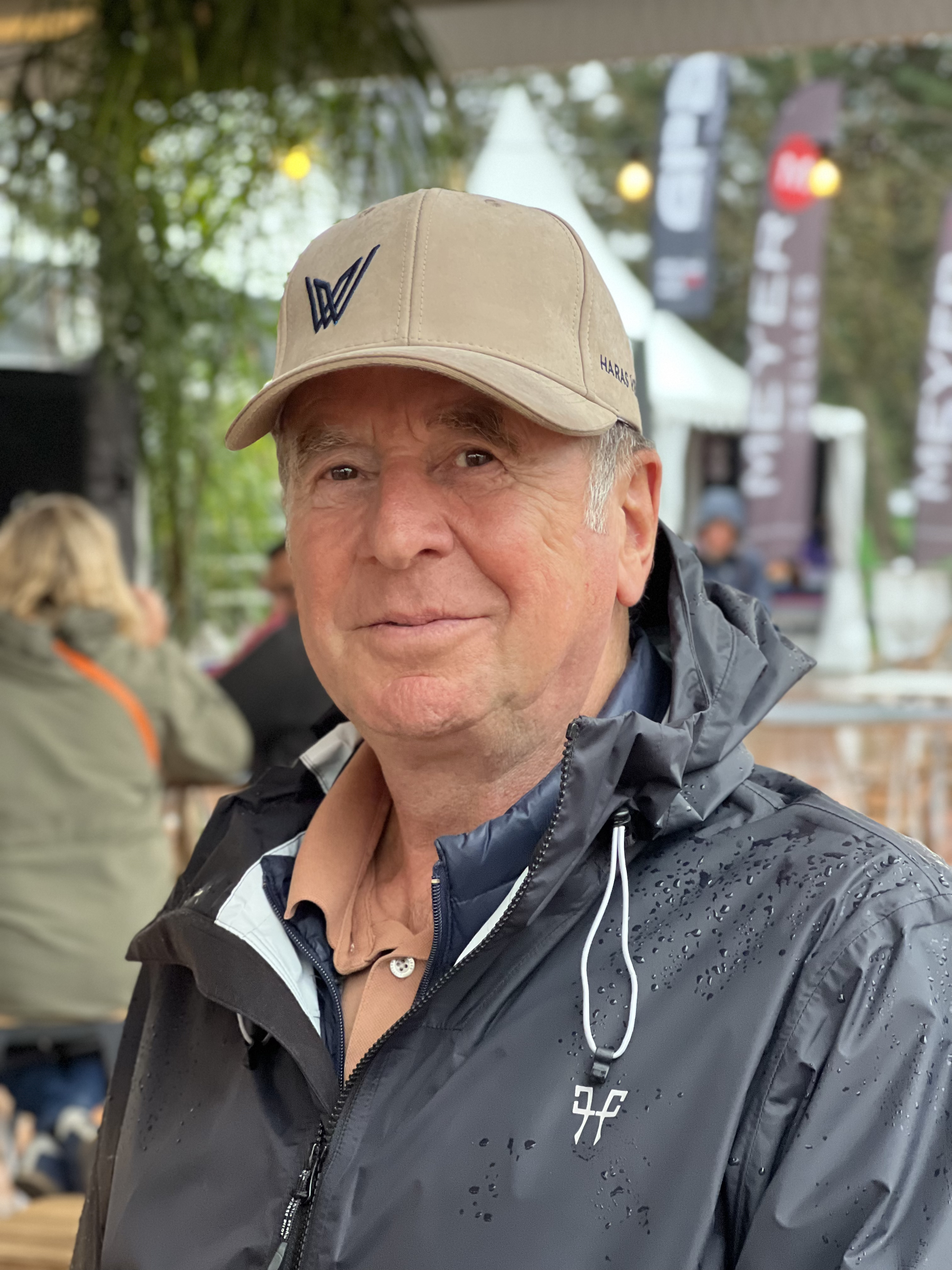
THE CAMENEN CONNECTION: HUMOUR, HUMILITY & HORSEMANSHIP


(No part of this article may be copied or reproduced in any form without the permission of HT)
AN EQUESTRIAN GLOBETROTTER IN EVERY SENSE, JEAN-YVES CAMENEN IS WIDELY RESPECTED FOR BRINGING FRENCH EXPERTISE TO MORE THAN 50 COUNTRIES, INCLUDING EGYPT. FOR MANY EGYPTIAN RIDERS AND FEDERATION MEMBERS FROM THE GENERATION X AND MILLENNIAL ERAS, HE REMAINS A WELL-KNOWN AND INFLUENTIAL FIGURE.
IN THIS EXCLUSIVE INTERVIEW FOR HORSE TIMES, WE EXPLORE THE CAREER OF A MAN WHO HAS SHAPED THE SPORT ACROSS THE REGION. OUR OWN PROFESSIONAL JOURNEY BEGAN IN THE MID-NINETIES; WHILE CAMENEN WAS COACHING THE EGYPTIAN SHOWJUMPING TEAM, I WAS COACHING THE QATARI TEAM. WE MET FREQUENTLY AT INTERNATIONAL EVENTS FROM DAMASCUS AND AMMAN TO DOHA AND CAIRO.
CAMENEN EVENTUALLY BECAME A KEY FIGURE IN MY OWN CAREER. WHEN MY TIME IN QATAR ENDED, HE ENCOURAGED ME TO MOVE TO ALEXANDRIA, WHERE I WORKED FOR FIVE YEARS. LATER, AS I PREPARED TO LEAVE EGYPT, HE GUIDED ME TOWARD A ROLE WITH ARAMCO IN SAUDI ARABIA. A POST I HELD FOR THE NEXT 22 YEARS.
1. What is the most unusual skill that has actually helped you in your career?
My sense of humour! It’s often questionable, but my lamest jokes have often broken the ice in tough situations. My self-deprecating sense of humour has saved me from plenty of missteps!
2. If you could swap jobs with anyone for a day, who would it be?
With you. So I could ask you silly questions instead of having to answer them.
3. On a serious note, your career of 40+ years has been quite diverse; rider, instructor, breeder, manager and entrepreneur. How did your journey with horses begin, and what first drew you to this world?
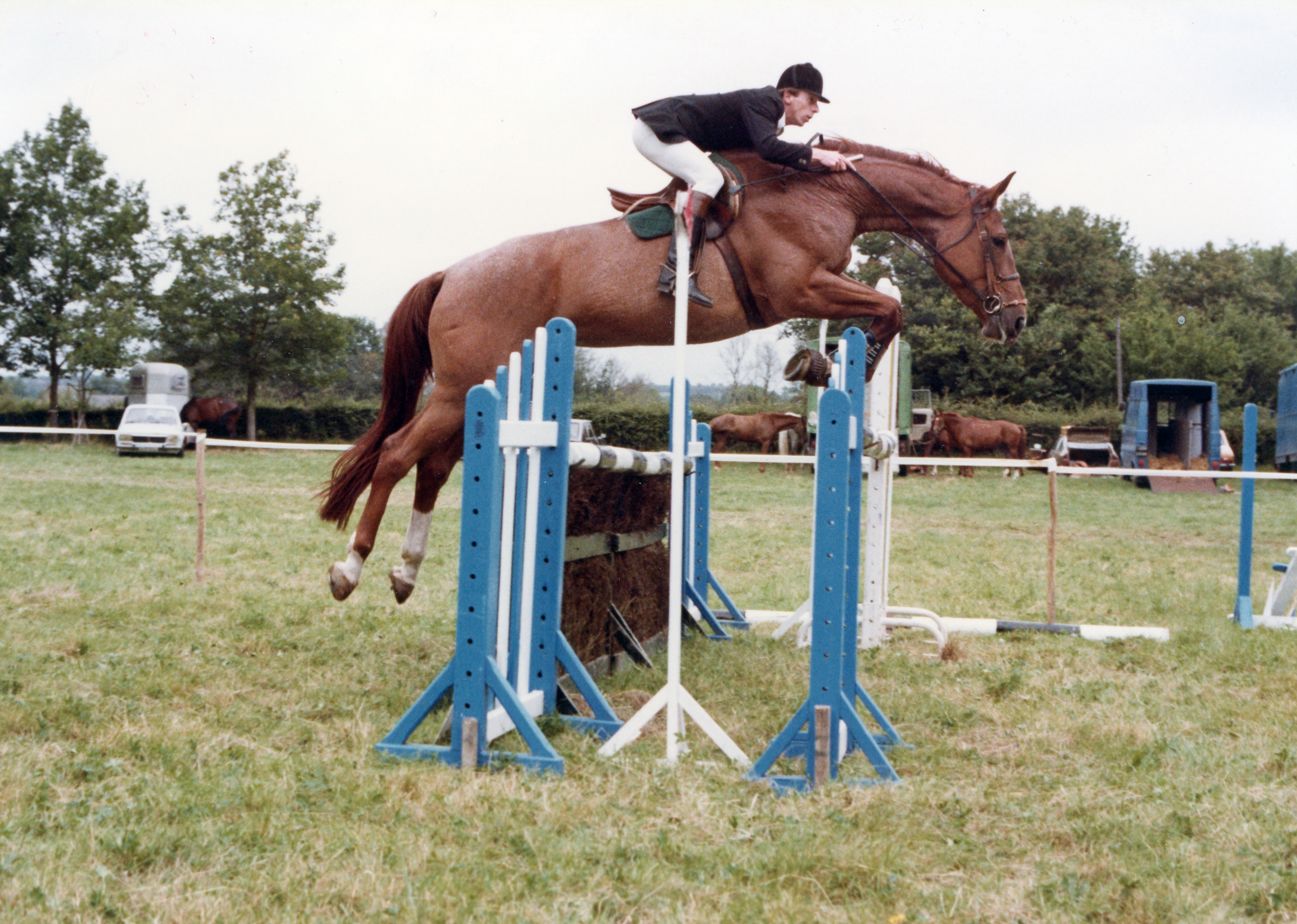
My journey in equestrian sports began, like that of many children in France, around the age of 12, at a riding school. Very quickly, I was drawn first to competition, and then to the desire to better understand and get to know horses. After putting my studies on hold and completing my military service (in Saumur), I began my professional career at the age of 23. My professional journey can be “summarised” as follows:
- Eight years as an employee at a riding centre to learn the job, obtain my instructor’s certification, and advance in competition.
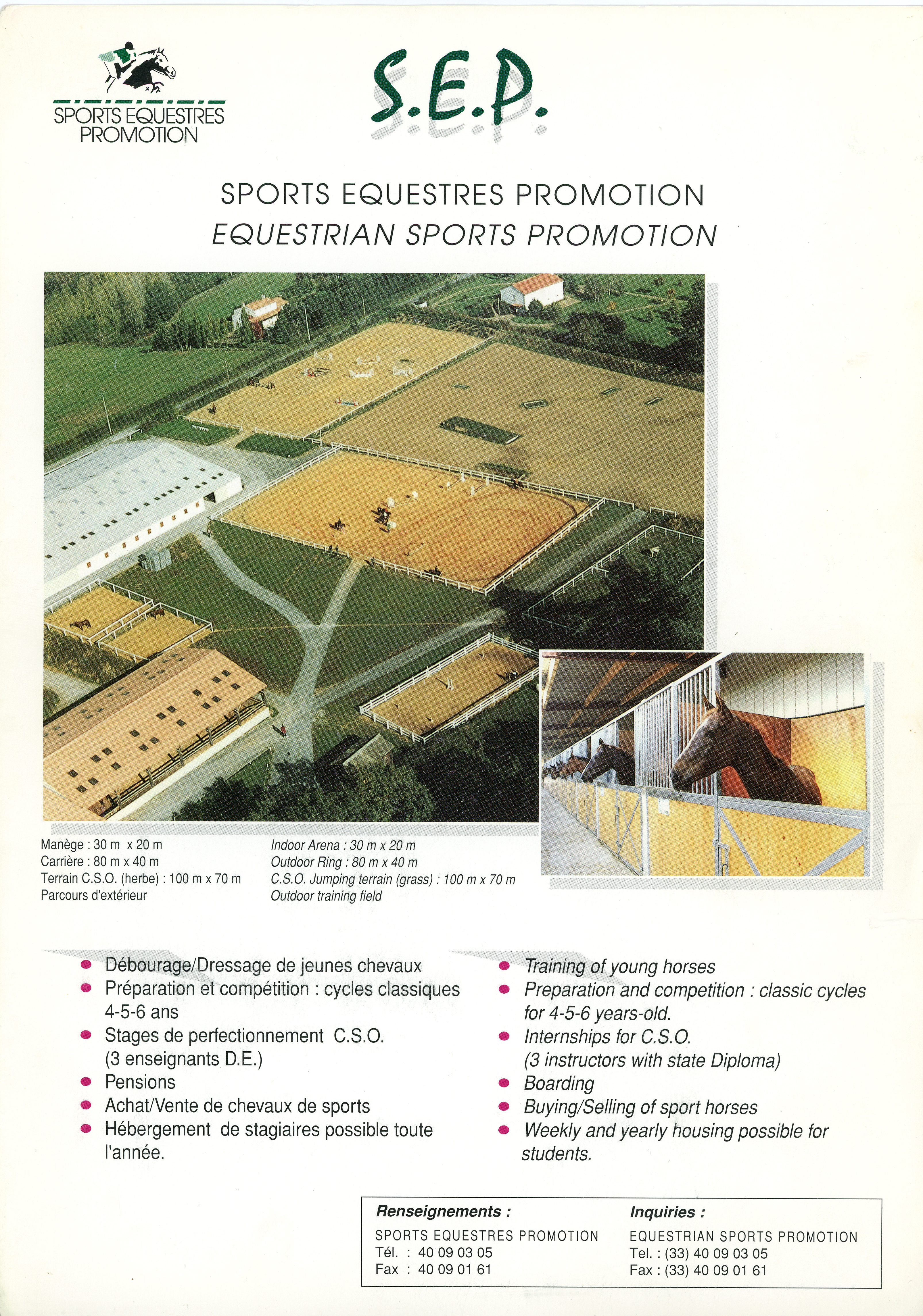
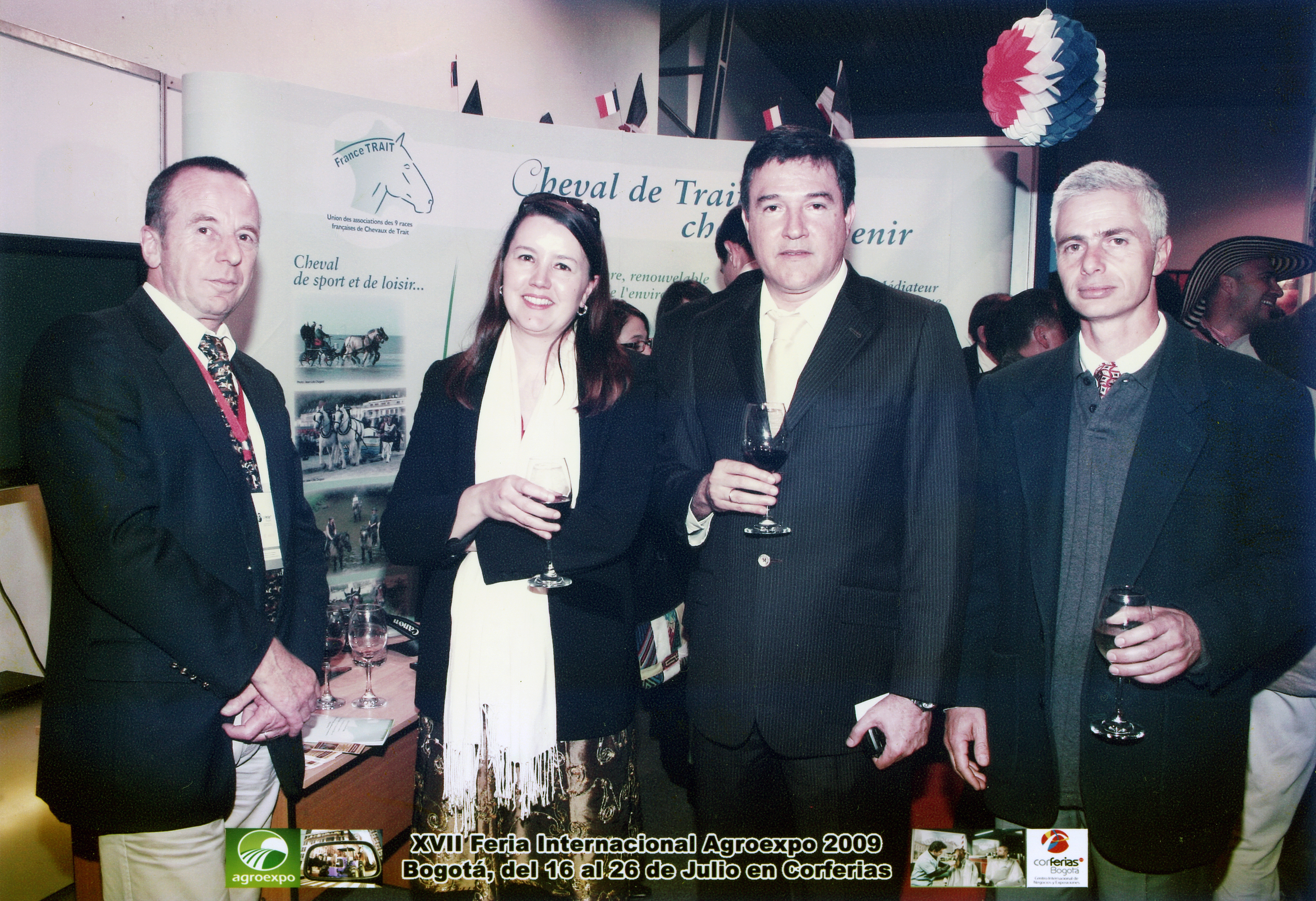
- Eight years as a self-employed entrepreneur, starting my first business - Sports Equestres Promotion - and diversifying its activities. It was during this time that I began travelling abroad to try to open up new markets.
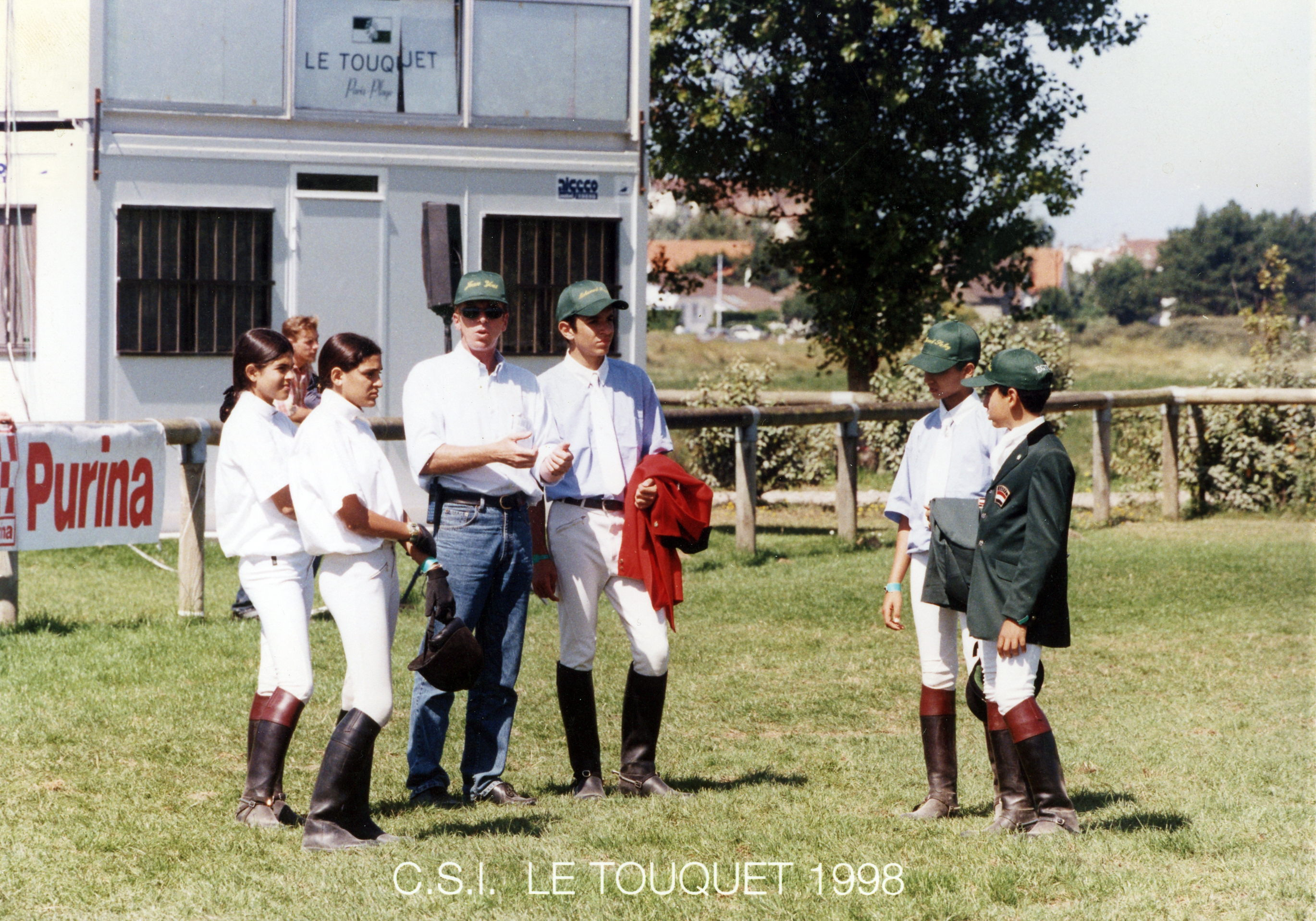
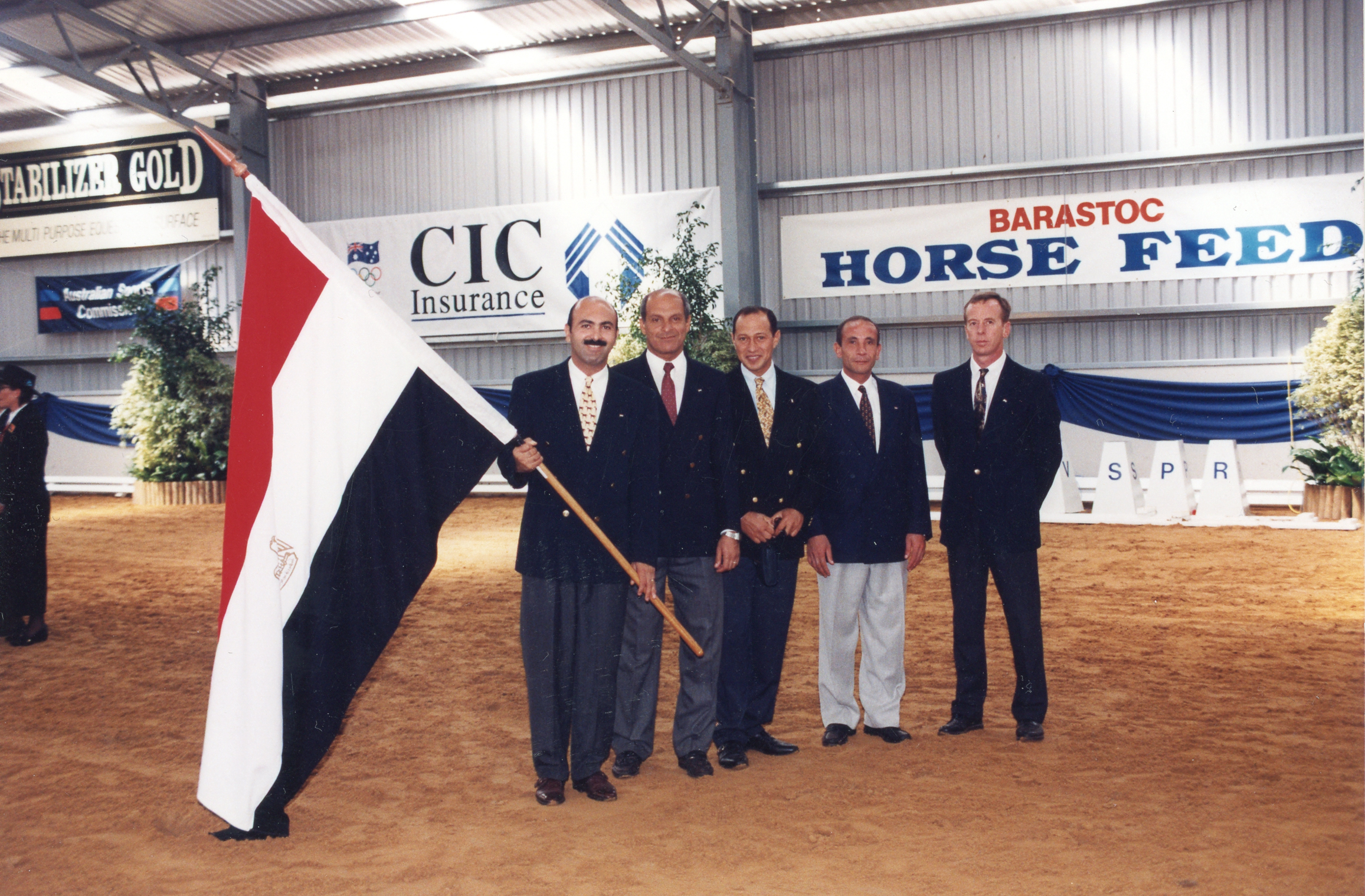
- Eight years internationally, including six as chef d'équipe and coach of the Egyptian showjumping team, and two as Manager of the Oman Royal Stables.
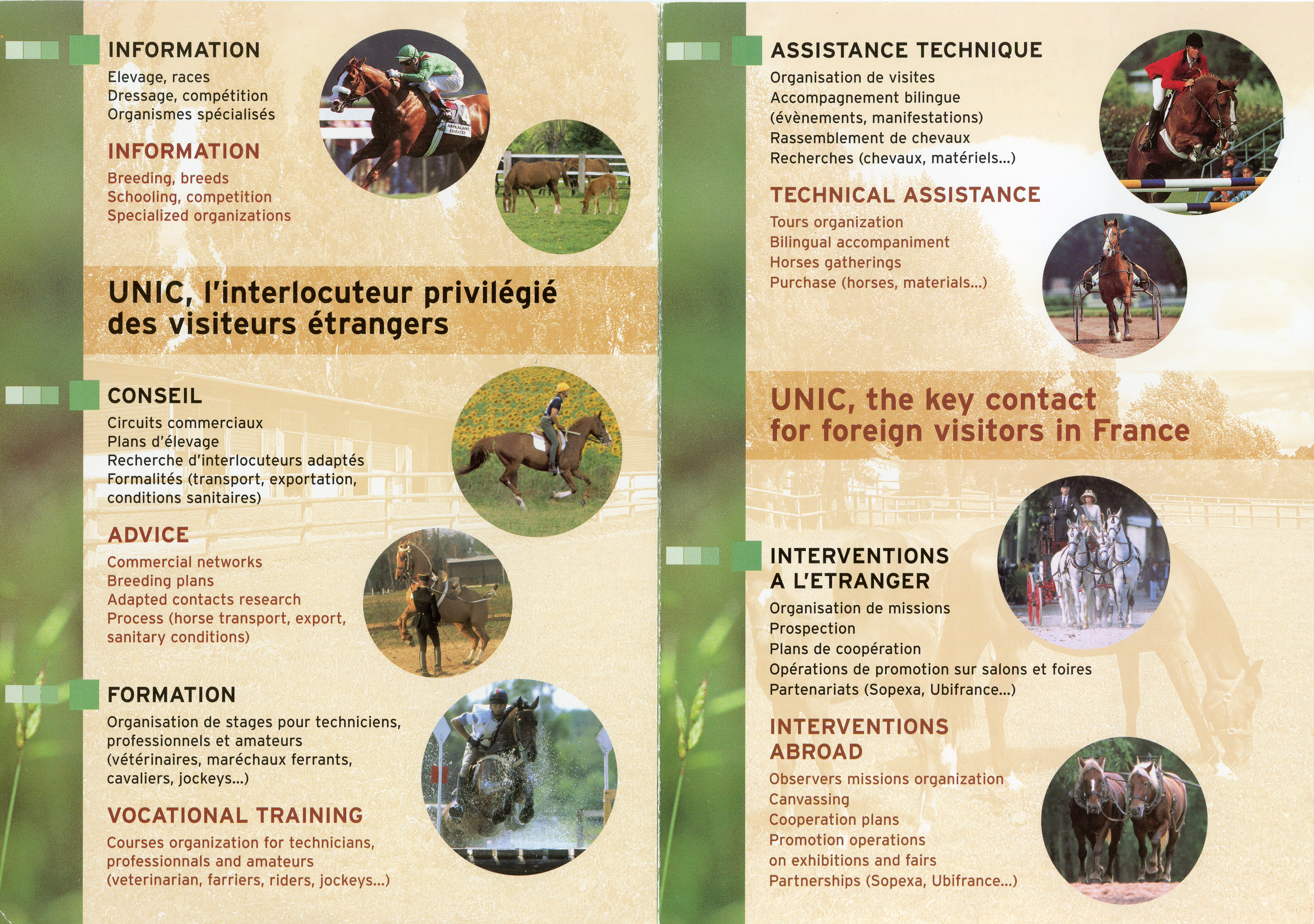
-15 years as General Manager of UNIC.
Since 2017, I have been self-employed in various commercial and consulting activities: founding of my company C2C, shareholder of Fences, then founder of Equinia and Horses Equity, as well as technical and commercial partnership with Haras San Isidro and Haras Verley in Europe and Colombia.
4. As a French horseman, what values or traditions from the French equestrian system have shaped your philosophy the most throughout your career?
Primarily my training in Saumur: the importance of method, the need for sufficient theoretical knowledge (joint mechanics, anatomy and educational psychology), respect for the horse and for oneself, and accepting the long-term commitment required to train both riders and horses.
I was fortunate to work with great riding instructors such as General Durand, Francis Rebel, and Jean Paul Magnien to name a few.
My relationships and exchanges with many professionals, notably Thierry Pomel and Eric Navet taught me precious and valuable concepts.
5. You have worked both in the saddle and behind the scenes at the highest levels. Which role has taught you the most: rider, coach, breeder, manager, Fences partner or your current role at Equinia?
I learned from every step along the way. Looking back, I realise that I followed a certain logic, with each stage of my career laying the groundwork for the next.
The first eight years of my professional life were focused on learning the job of rider and trainer and on competition.
The following years were divided between business creation and management, and expanding my knowledge and activities (commerce, breeding centre, breaking in, competition.
The skills I gained during these first two periods allowed me to move abroad to train at a high level.
Then came UNIC, an extraordinary period for expanding my knowledge: about horses (sport horses, but also racehorses and draft horses) and about all the professions and people connected to this industry. After returning to the private sector, Fences, Equinia, and a few other ventures allowed me to consolidate my skills in the commercial field.
Currently, I’m trying to make the most of these skills while narrowing my scope of work a bit. I am not getting any younger, so I’m trying to distill what I love most about the various professions I’ve practiced and share it with a trusted network.
6. During your tenure as Egyptian National Showjumping Trainer, what were the biggest challenges and satisfactions of working with a national team?
There were many challenges. First, the personal challenge; I knew nothing about Egyptian culture or the country, and I’d brought my family along with me. On the technical side, the Egyptian Equestrian Federation had been looking for a trainer for quite some time, and the initial job description was quite far from the realities on the ground. Technical support was not structured at the national level, and the quality of horse feed, farrier, and veterinary cares fell far short of the set objectives.
On the other hand, my greatest satisfaction came from having been able to contribute to improving all these areas and to opening up the team to the outside world with trips to Europe, participations in events throughout the Middle East, the arrival of French experts such as Jackie Bachellereau, Alain Fangeaux, the late Francois Bouyer, Luc Geffré and Olivier Lepage. You of course, were there too during that period, as well as Thierry Pomel.
I also take pride in knowing I helped nurture young riders. Today, they are no longer young, yes, but some still compete all over the world, and a few others, who have remained in Egypt, still honour me with their trust.
7. How would you describe the evolution of showjumping in Egypt during your time there, and what potential did you see in its riders and horses?
The potential of Egyptian riders was and remains enormous. Many Egyptian riders are “naturally gifted”. For the horses, everything depended on their initial quality, but as with the riders, it is hard work and training that make the difference.
Thierry Pomel’s guidance and trust were invaluable to me. The annual trips to Europe and the Middle East contributed greatly to everyone’s progress.
I focused on course designing and the quality of the obstacles; a big thank you goes to course designer Luc Geffré, who has since passed away.
We improved veterinary care like never before with Olivier Lepage.
Through ongoing discussions, supplementary feeds were first imported and then even manufactured in Egypt. “Barsime” then ceased to cause gas colic, which was often fatal.
8. You also held the important position of Manager of the Oman Royal Stables. What did that experience teach you about horsemanship, discipline, and managing excellence at an elite level?
There, I discovered different approaches to working with and managing horses. The discipline was almost military in nature, and the goals were quite different. Many of the methods, particularly those related to breeding, were very cutting-edge. On the technical side, however, the lack of exposure to international competition was a limiting factor. Despite everything, it remained a wonderful experience in a beautiful country.
9. Having worked in different countries and equestrian cultures, how do you adapt your leadership and training methods to different riders, systems, and expectations?
The fundamentals of horsemanship remain the same everywhere; however, existing contexts, cultural and technical, must be taken into full account.
It is always a matter of striking a balance between substance and form; substance refers to the goal to be achieved and the technical resources available to reach it, in terms of people, horses and equipment.
Form is how we adapt our knowledge to the existing conditions on the ground. It is clear that we do not train a Chinese rider in the same way as an Egyptian rider. But we must teach them the same concepts and achieve the same types of goals.
The path may differ, the number of steps may vary, and priorities may sometimes shift, but the fundamentals remain the same: hard work, mutual respect for both horse and rider, adherence to a method and its logic of execution, and therefore acceptance of the time required.
10. As a trainer, what do you believe are the most important qualities a young rider must develop to build a lasting and successful career?
First and foremost, as in any sport, it is hard work and humility that yield results. Genius is 1% talent and 99% hard work as Albert Einstein said.
Next, you must respect the fundamentals: flat work, the hours required for learning, and an understanding of the horse’s psychology and biomechanics. In this day and age, where deep thought has been replaced by scrolling on social network, it isn’t always easy, but it is essential if you want to become more than just a “horse consumer.”
11. Breeding is often described as both a science and an art. As a breeder yourself, what do you look for when producing or selecting a future sport horse?
I have some knowledge of breeding but don’t claim to be an expert; besides, breeding is one thing, but selection is quite another!!
Of course, studying maternal and paternal bloodlines is important, conformation must be taken into account, as must the competitive abilities and results of both the sire and the dam. But let’s be realistic; we have very little knowledge of the genome and how it is passed down. If a stallion with a long back, crossed with a mare with a short back, consistently produced a foal with a back of good length…it would be easy!
Thank goodness mother nature retains its own laws, and beyond the current bad trends in decline (Intracytoplasmic Sperm Injection-ICSI, frozen embryos and excessive embryo transfers), I believe we still have a great deal to discover, particularly through epigenetics.
In the meantime, experience, good old-fashioned common sense, and a solid understanding of the subjects we are breeding remain essential.
12. You were also involved for over 15 years as General Manager of UNIC (Union Nationale Interprofessionelle du Cheval) that exported the French equestrian know-how and expertise worldwide. How important are strong organisations and vision in helping equestrian structures grow and remain relevant in today’s industry?
It is true that my experience at UNIC has allowed me to visit more than 50 countries around the world and thus to compare not only the different technical levels but also the various cultural and methodological approaches to the development of the sector. We are fortunate in France to have one of the most advanced sectoral systems in the world (even if politics and administrative constraints often undermine its effectiveness). The interfaces between breeding, sport (professional and amateur), and recreation are the cornerstones of how the system operates. Training (both professional and amateur) and funding sources remain its driving forces. Currently, I believe the major challenge for equestrian organisations is maintaining consistent technical foundations in a world that is becoming less and less focused on sports and increasingly driven by superficial and instant gratification.
Horseback riding, whether for leisure or sport, is the exact opposite. Staying relevant and profitable in this context is not easy. You can have fun playing padel to avoid learning to play tennis, but if you apply that kind of approach to horseback riding, it’s at the horse’s expense. Therefore, only a return to basic values (as in any sport or recreational activity) will allow the equation work.
13. Your experience as a Fences agency associate gave you another unique understanding of the sport beyond riding itself. How much can course design, FEI rules and regulations influence the development of auctions and the way breeders breed?
Everything is interconnected; the wide variety of rules and regulations can influence the production and marketing of horses, but the positions taken by breeders, riders, and dealers drive, and sometimes even force, these rules and regulations to evolve. The non-profit and the professional sectors still struggle to collaborate effectively to ensure the sustainable development of the industry as a whole. Professionalisation will remain the key to this evolution.
14. Today, as a partner at the horse auction platform Equinia, you are part of the digital transformation of the horse industry. How is technology changing the way horses are bought, sold, and valued?
The surge in online sales driven by COVID has significantly altered the behaviour of both buyers and sellers. Initially, the online sale of embryos sparked a veritable craze that bore little relation to market realities (whether frozen or fresh, from ICSI, sexed or unsorted). The birth of the offspring resulting from these sales and their often-unpredictable resale have brought this sector back to reality.
It is for foals and broodmares that these changes are most evident and long-lasting. Many breeders have noticed that the number of customers visiting their farms has dropped sharply. Some breeders have even gone so far as to offer them for sale exclusively through online auctions. For these two categories, many buyers have now gotten into the habit of purchasing them online based on photos and videos, without making a trip to the farm. Others make their selections first via videos and only visit the farm afterward.
For three-year-olds and older horses, the situation is somewhat different. New tools are increasingly being used (videos, photos, online veterinary visits), and online purchases are either at relatively low prices for mid-range horses or following trials and/or multiple exchanges with sellers for mid- to high-range horses
This new landscape gives rise to two key trends:
- The surge in online sales has created an oversupply relative to a largely stagnant demand, leading to an automatic decline in average prices and/or an increase in unsold inventory.
- With the supply chain now largely digital, the veterinary requirements imposed by buyers are often excessive and unrealistic.
Generally speaking, markets have become more transparent for buyers, and potential buyers are better informed. However, exceptional products remain subject to confidentiality and are traded exclusively among experts and through appropriate sales organisations.
15. What advice would you give to owners, riders, or investors when it comes to identifying quality horses in an increasingly competitive international market?
Nothing can replace the advice of a trusted professional. Today’s tools can save time and help better define a buyer’s expectations, but acquiring real knowledge takes time and can’t be gained on Facebook or through tutorials. While the range of options is certainly broader and more accessible, the risk of getting lost in it has increased accordingly.
16. Looking back on such a diverse and international career, what continues to inspire you today and what legacy would you like to leave in the equestrian world?
I have always been passionate about horses, but also about people and their diversity. My motivation has remained the same since the very beginning: the desire to learn and to understand better. Today, I strive to make the most of what I have learned…and to synthesise it. In this sense, my professional collaboration with the Piedrahita family is a concrete application of this approach.
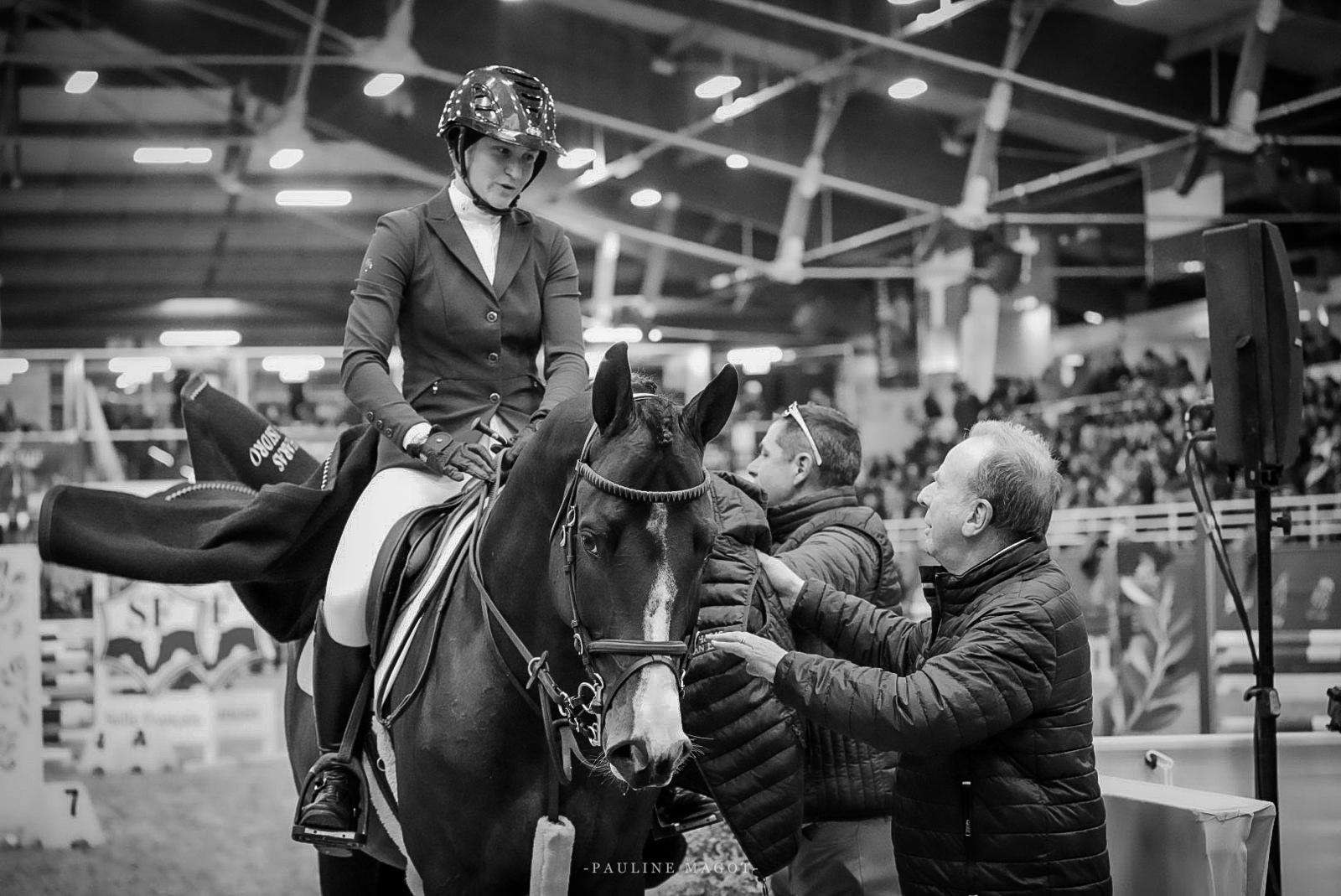
I have been working with this family for over 15 years; they are managing the San Isidro and Verley stud farms in Europe and Colombia. The goal is to continuously improve the quality of breeding, training, and marketing.
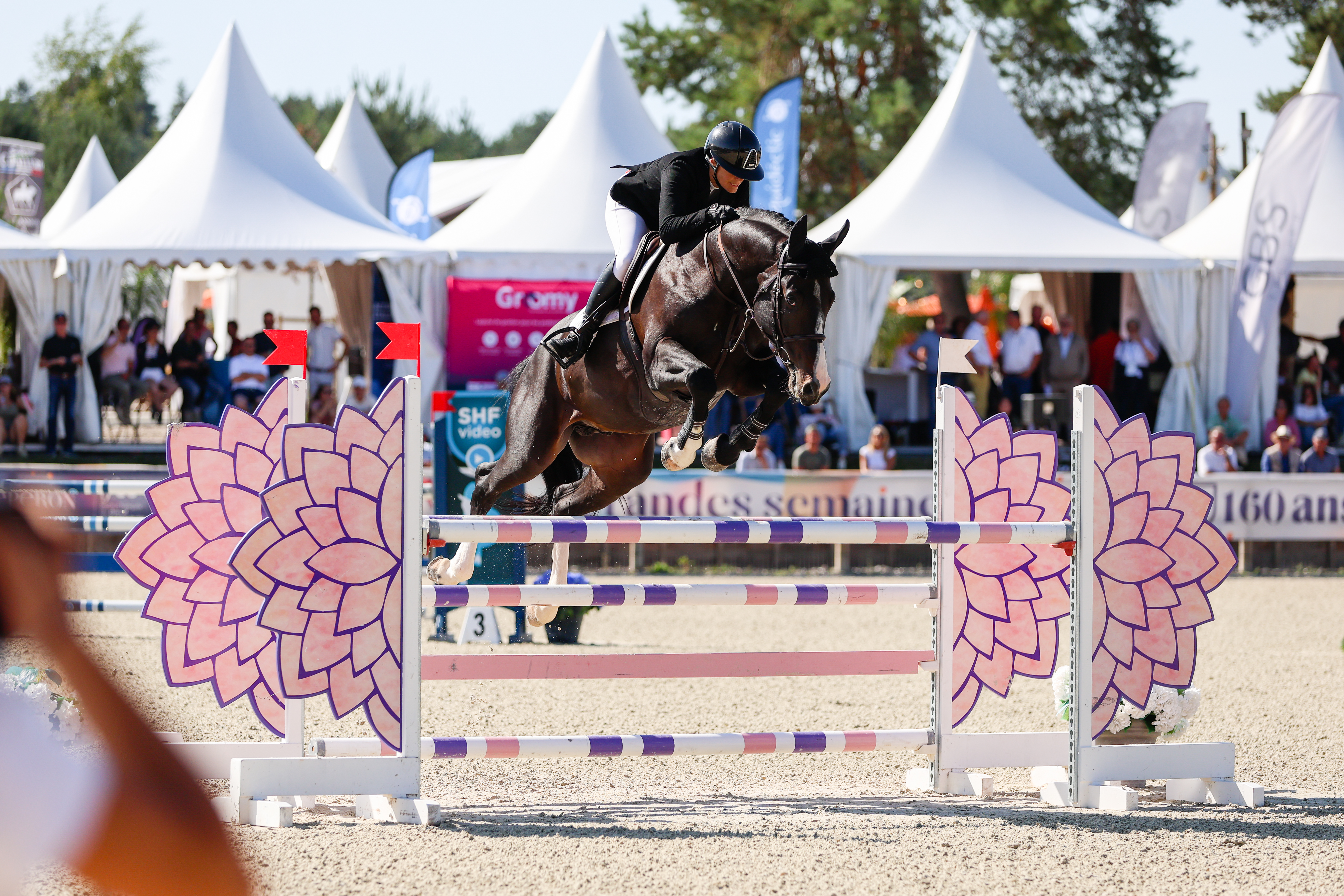
On one hand, Kornet San Isidro, a six-year-old Colombian stallion who came to Europe to pursue a career and placed seventh in the five-year-old final at Fontainebleau.
On the other hand, Itchina Mail Verley, a seven-year-old finalist at Fontainebleau in 2025, whom you will be hearing about very soon (Itchina Mail Verley is now under the saddle of Steve Guerdat) are among others two “examples in the making” resulting from this synthesis.
As for the rest, I do not claim to be leaving a legacy; I have learned from many different people, and I thank them for that. If, in return, I have been useful to a few people in the horse world, then a certain balance will have been achieved, and that will suffice as my epitaph. HT
Photos courtesy of Jean-Yves Camenen
Photo Gallery
Prev 1 of 8 Next